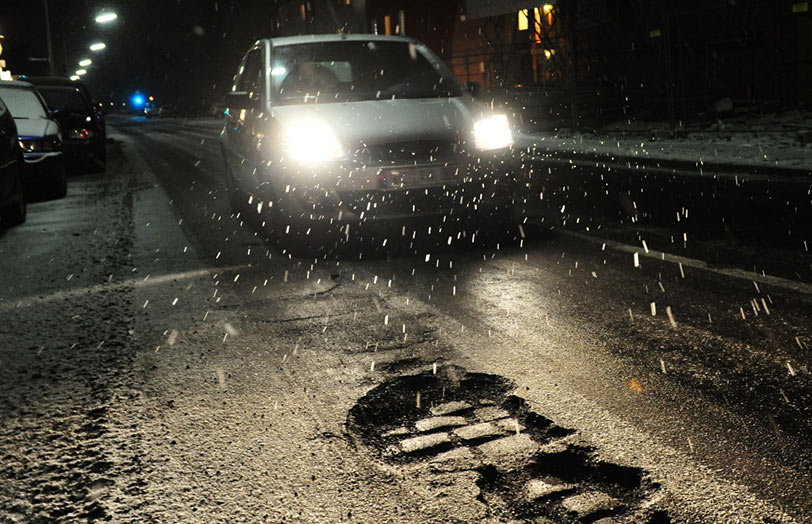
Severe weather often creates dangerous conditions on roads, sidewalks, and private property throughout Wisconsin. When someone is injured during a storm, it can be difficult to know whether the incident was unavoidable or whether someone failed to take reasonable steps to protect others. Understanding the difference between storm damage and negligence is important for knowing when an injury claim may be possible.
What Counts as Storm Damage
Storm damage refers to harm caused entirely by natural forces. Examples include falling branches during high winds or ice forming during a sudden temperature drop. When an injury happens because of conditions that no one could have reasonably prevented in the moment, it may be considered an act of nature.
In these situations, liability is limited because the hazard was not created or controlled by a person or business.
When Weather Related Injuries Become Negligence
Negligence occurs when someone fails to take reasonable action even though they had the opportunity to do so. Bad weather does not excuse unsafe behavior under Wisconsin comparative negligence rules.
Failure to Remove Ice and Snow
Property owners in Wisconsin must clear walkways, entrances, and parking lots within a reasonable time after a storm. If snow or ice is allowed to remain long after the weather has passed, a slip and fall may be preventable. More information about this duty can be found in Wisconsin slip and fall liability in winter.
Ignoring Known Hazards
A business may be responsible if it knows about recurring hazards, such as leaking roofs or gutters that drain onto walkways, and fails to warn people or make repairs.
Unsafe Driving in Bad Weather
Drivers are expected to adjust their speed and following distance in snow, rain, or fog. Failing to use caution can qualify as negligence even during severe weather.
Poor Maintenance
Tree limbs, structures, or building components that are already weakened are more likely to fail during storms. If a property owner knew or should have known about these issues, an injury may involve negligence. This connects to Wisconsin property owner safety obligations under the Safe Place Statute.
How to Tell the Difference
Questions that help identify negligence include:
- Did the property owner have enough time to correct the hazard after the storm
- Was the hazard predictable or reported before
- Did someone fail to follow basic safety rules for the conditions
- Did poor maintenance contribute to the injury
If any of these apply, an injury claim may be possible.
Evidence That Strengthens a Weather Related Injury Claim
Useful evidence includes:
- Local weather reports showing timing and severity
- Photos or videos of the hazard
- Maintenance logs or the absence of them
- Witness statements
- Documentation showing delayed cleanup or ignored repairs
This information helps demonstrate whether the injury could have been prevented.
When to Contact Bykhovsky Law
If you were injured during or after a storm and are unsure whether negligence played a role, Bykhovsky Law can help. Our team can review the circumstances, preserve evidence, identify responsible parties, and pursue compensation for your medical costs, lost income, and other losses.
Contact Bykhovsky Law today for a free consultation with our personal injury attorney and get clear guidance on your next steps.