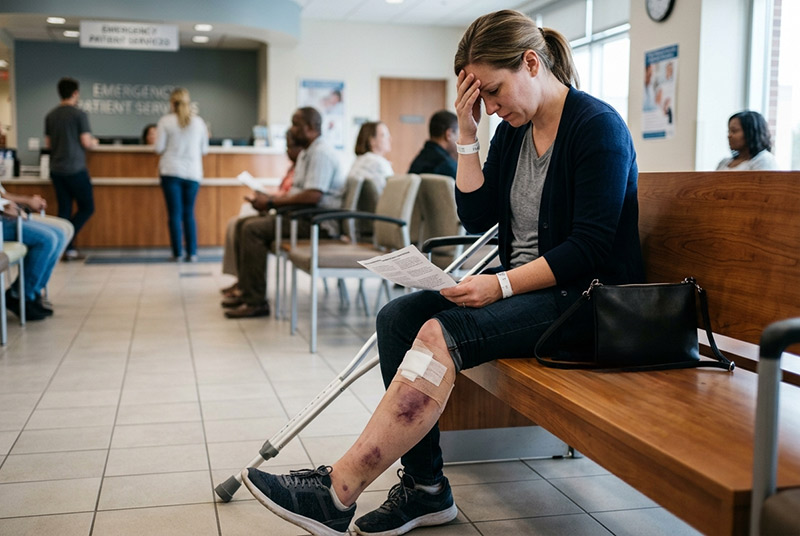
A slip and fall accident can happen in an instant, but the decisions you make afterward can affect your health, finances, and legal rights for months or even years. Whether you slipped on a wet grocery store floor, icy sidewalk, uneven pavement, or poorly maintained staircase, taking the right steps is essential. Unfortunately, many people unknowingly make mistakes that weaken their injury claim or reduce the compensation they may be entitled to receive. Here are 10 common mistakes to avoid after a slip and fall accident.
1. Failing to Seek Medical Attention
One of the biggest mistakes is assuming you’re fine because you don’t feel immediate pain. Some injuries, including concussions, soft tissue injuries, and internal damage, may not show symptoms right away.
Seeking prompt medical care:
- Protects your health
- Creates medical documentation
- Establishes a connection between the accident and your injuries
Even if your injuries seem minor, it’s always wise to get evaluated by a healthcare professional.
2. Not Reporting the Accident
Always report the incident to the property owner, manager, or business as soon as possible.
Request that an incident report be completed and ask for a copy if available. A timely report creates an official record that may become important if you later pursue a claim.
3. Leaving Without Taking Photos
Evidence can disappear quickly. Wet floors get cleaned, ice melts, warning signs appear after the accident, and hazards are repaired.
If you are physically able, photograph:
- The hazard that caused your fall
- The surrounding area
- Lighting conditions
- Any missing warning signs
- Your visible injuries
- Damaged clothing or footwear
The more documentation you have, the stronger your claim may be.
4. Forgetting to Collect Witness Information
Witnesses can provide valuable, independent accounts of what happened.
If anyone saw your fall, ask for their:
- Name
- Phone number
- Email address
Witness statements may help support your version of events if liability is disputed.
5. Giving Recorded Statements Too Soon
After a slip and fall accident, you may receive a call from an insurance adjuster requesting a recorded statement.
While it’s important to cooperate appropriately, avoid making detailed recorded statements before understanding your legal rights. You may unintentionally say something that is later used to minimize your claim.
6. Posting About the Accident on Social Media
Insurance companies often review public social media posts.
Photos, comments, or even innocent updates may be taken out of context and used to argue that your injuries are less serious than claimed.
It’s generally best to avoid discussing your accident or recovery online until your claim is resolved.
7. Ignoring Your Doctor’s Recommendations
Missing appointments or failing to follow your treatment plan can hurt both your recovery and your claim.
Insurance companies may argue that:
- Your injuries were not serious.
- You made your condition worse.
- Your injuries resulted from something other than the accident.
Follow your healthcare provider’s recommendations and attend all scheduled appointments.
8. Throwing Away Important Evidence
Do not discard:
- Shoes you were wearing
- Torn or damaged clothing
- Medical bills
- Receipts
- Accident reports
- Correspondence from insurance companies
These items may become important evidence if your claim proceeds.
9. Waiting Too Long to Speak With an Attorney
Many people delay seeking legal advice because they assume their injuries aren’t serious or believe the insurance company will handle everything fairly.
An experienced personal injury attorney can:
- Explain your legal rights
- Preserve valuable evidence
- Handle communication with insurers
- Evaluate the value of your claim
- Help you pursue fair compensation
Early legal guidance can help you avoid costly mistakes.
10. Accepting a Quick Settlement
Insurance companies sometimes offer early settlements before the full extent of an injury is known.
While an early offer may seem appealing, accepting it often means giving up the right to seek additional compensation later, even if your condition worsens or requires additional treatment.
Before accepting any settlement, make sure you fully understand your injuries, future medical needs, and legal options.
What Should You Do After a Slip and Fall Accident?
If you’ve been injured in a slip and fall accident, remember these important steps:
- Seek medical attention immediately.
- Report the accident to the property owner or manager.
- Take photos of the accident scene.
- Gather witness information.
- Keep all medical records and receipts.
- Avoid discussing the accident on social media.
- Consult a personal injury attorney before accepting a settlement.
Taking these steps can help protect both your health and your legal rights.
Frequently Asked Questions
How long do I have to file a slip and fall claim?
The deadline varies depending on your state’s statute of limitations. Because these deadlines are strict, it’s important to speak with an attorney as soon as possible. In Wisconsin, the deadline to file most personal injury claims, including many slip and fall cases, is generally three years from the date of the accident, although exceptions may apply.
Can I recover compensation if I was partially at fault?
In many states, you may still recover compensation even if you were partially responsible for the accident. The rules vary depending on state law.
What damages can I recover?
Depending on your case, compensation may include:
- Medical expenses
- Lost wages
- Future medical care
- Pain and suffering
- Reduced earning capacity
Protect Your Rights After a Slip and Fall Accident
A slip and fall accident can leave you with painful injuries, mounting medical bills, and uncertainty about what to do next. By avoiding these common mistakes and acting promptly, you can protect both your health and your legal rights.
If you believe a property owner’s negligence contributed to your injuries, speaking with an experienced personal injury attorney can help you understand your options and determine the best path forward.
Contact us today for a FREE CONSULTATION with our personal injury attorney.