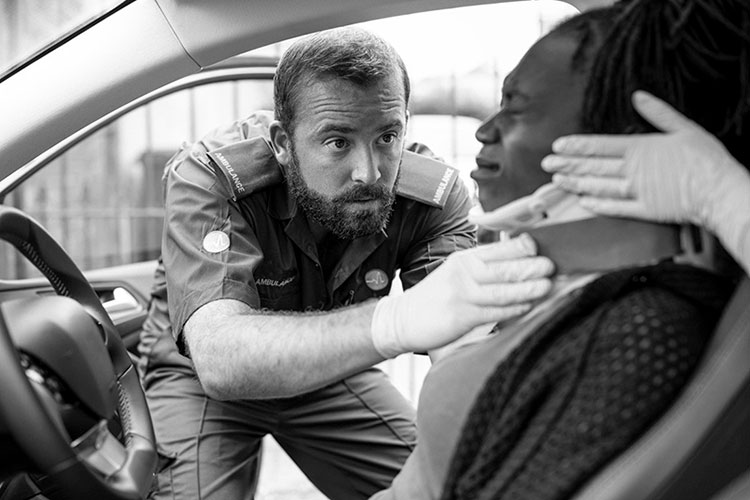
After a car accident, dealing with injuries, medical appointments, vehicle repairs, and insurance companies can feel overwhelming. But if you were injured because of another driver’s negligence, one important step is gathering evidence to support your personal injury claim.
Evidence can help show how the accident happened, who was responsible, the extent of your injuries, and how the collision has affected your life. The more complete your documentation, the easier it may be to demonstrate the impact of the accident and support your request for compensation.
If you were injured in a Wisconsin car accident, here are some important types of evidence that may help strengthen your claim.
1. Police Reports and Accident Records
A police report can be an important starting point when investigating a car accident. If law enforcement responds to the scene, officers may document important details about the collision, including:
- Date, time, and location of the accident
- Names and contact information of drivers and witnesses
- Vehicle descriptions and visible damage
- Road and weather conditions
- Statements from drivers and witnesses
- Any citations issued at the scene
A police report may also help identify witnesses or other sources of evidence that could be useful when building your claim.
However, a police report does not automatically establish who is legally responsible for an accident. Some information in the report may not be admissible in court, depending on how it was obtained and the circumstances of the case.
Even if officers do not respond to the scene, it is still important to document the accident and preserve other available evidence.
2. Photos and Videos of the Accident Scene
Photos and videos can provide valuable details about how a collision occurred and the damage it caused.
If you are physically able to do so, take pictures or videos of the accident scene. If you cannot, ask someone you trust to help.
Try to capture:
- Damage to all vehicles involved
- The position of the vehicles after the collision
- Skid marks, debris, and other physical evidence
- Traffic signs, signals, and road markings
- Weather, lighting, and road conditions
- Visible injuries, cuts, bruises, or swelling
Photographs taken shortly after the accident can help preserve details that may otherwise be difficult to remember later.
You should also photograph your injuries as they develop. Some injuries, including bruising and swelling, may not be immediately visible after a collision.
If you have access to dashcam footage or video recordings from nearby businesses or traffic cameras, these may also help establish what happened. Video footage can sometimes be overwritten or deleted, so it is important to act quickly to preserve it.
3. Medical Records and Treatment Documentation
Medical records are among the most important pieces of evidence in a car accident injury claim. They help establish the nature of your injuries, the treatment you received, and how the accident affected your health.
After a collision, seek medical attention as soon as possible, even if your injuries initially seem minor. Some symptoms, such as neck pain, back pain, headaches, and other soft tissue injuries, may develop hours or days after an accident.
Keep copies of relevant medical documentation, including:
- Emergency room and hospital records
- Doctor’s notes and examination reports
- Diagnostic imaging, such as X-rays and MRIs
- Physical therapy records
- Prescription and medication records
- Specialist referrals and treatment plans
- Medical bills and receipts
It is also important to follow your healthcare provider’s recommendations and attend scheduled appointments.
If you delay treatment or have gaps in your medical care, an insurance company may question whether your injuries were caused by the accident or how serious they are. If there is a reason you could not attend an appointment or continue treatment, keep a record of that as well.
4. Witness Statements and Contact Information
People who witnessed the accident may provide valuable information about what happened.
An independent witness may be able to describe details that drivers involved in the collision did not see. For example, a witness might have observed a driver running a red light, speeding, changing lanes unexpectedly, or failing to yield.
If someone witnessed your accident, try to obtain their:
- Full name
- Phone number
- Email address
- Brief description of what they saw
Witnesses may also be identified in the police report.
Their statements can help clarify how the accident occurred, especially when the drivers involved have different accounts of what happened.
5. Evidence of Lost Wages and Other Financial Losses
A car accident can affect more than your physical health. If your injuries prevent you from working, you may lose income or have difficulty returning to your regular job.
Documentation of your financial losses can help establish the economic impact of the accident.
Depending on your circumstances, useful records may include:
- Recent pay stubs
- Employment records
- A letter from your employer confirming missed work
- Records of reduced hours or lost income
- Tax returns or income statements if you are self-employed
- Documentation of reduced future earning capacity
You should also keep receipts and records of other accident-related expenses, such as prescription medications, medical equipment, and transportation to medical appointments.
Organizing these records can make it easier to calculate and demonstrate the financial losses associated with your injury.
6. A Personal Record of Your Injuries and Recovery
Not every effect of a car accident appears on a medical bill or in a doctor’s report.
Pain, emotional distress, sleep difficulties, and limitations on everyday activities can also affect your quality of life.
Keeping a personal injury journal can help document these experiences over time.
Consider recording:
- Your symptoms and pain levels
- Changes in your mobility or physical abilities
- Activities you can no longer do comfortably
- Difficulties with household tasks or childcare
- Sleep disturbances and emotional challenges
- Missed family activities, hobbies, or social events
- How your recovery progresses over time
For example, you may have difficulty driving, exercising, lifting groceries, or participating in activities you enjoyed before the accident.
Keeping a consistent record can help explain how the injury has affected your daily life and support a claim for non-economic damages, such as pain and suffering.
7. Insurance Communications and Claim Documents
Keep copies of all correspondence related to your accident and insurance claim.
This may include:
- Emails and letters from insurance companies
- Claim numbers and adjuster contact information
- Repair estimates and vehicle damage assessments
- Settlement offers
- Receipts for accident-related expenses
- Copies of forms or documents you have submitted
It is also helpful to keep notes of phone conversations with insurance representatives, including the date, the name of the person you spoke with, and what was discussed.
Be careful when providing recorded statements or signing documents from an insurance company. Make sure you understand what you are agreeing to before signing anything.
Organized records can help you keep track of your claim and make it easier to address questions or disagreements that arise during the insurance process.
How Does Evidence Affect a Wisconsin Car Accident Claim?
In Wisconsin, evidence can play an important role in determining who was responsible for an accident and whether an injured person is entitled to compensation.
Wisconsin follows a modified comparative negligence rule under Wisconsin Statute § 895.045. This means that more than one person can share responsibility for an accident.
Generally, you may recover damages if your percentage of negligence is not greater than the negligence of the person against whom you are seeking compensation. However, your recovery is reduced by your percentage of fault. If your negligence is greater, you generally cannot recover damages from that party.
For example, if you suffered $100,000 in damages and were found to be 20% responsible for the accident, your potential compensation would be reduced to $80,000.
Evidence such as photographs, witness statements, video footage, and accident records can help establish what happened and how responsibility should be divided.
The strength of your evidence may also influence settlement negotiations with an insurance company. However, no single piece of evidence guarantees a particular outcome.
What Should You Do If You Don’t Have All the Evidence?
Not everyone has the opportunity to collect evidence immediately after an accident. You may have been taken to the hospital, been too injured to take photographs, or simply not realized how important certain details would become.
That does not necessarily mean you cannot pursue a personal injury claim.
Other sources may help fill in the gaps. For example, an attorney may be able to help obtain police reports, identify witnesses, request available video footage, gather medical records, and investigate the circumstances of the collision.
It is important to act promptly because some evidence, particularly surveillance footage, may only be available for a limited time.
You should also avoid deleting photographs, messages, or other information related to the accident, even if you are unsure whether they will be useful.
Speak With a Wisconsin Car Accident Lawyer
If you were injured in a car accident in Wisconsin, gathering the right evidence can make an important difference when pursuing compensation.
At Bykhovsky Law, we help injured individuals understand their legal options and navigate the personal injury claims process. We can review the circumstances of your accident, help identify relevant evidence, and explain how Wisconsin law may apply to your situation.
You do not have to figure everything out on your own.
Contact Bykhovsky Law today for a FREE CONSULTATION. We are here to help you understand your rights and take the next steps toward pursuing the compensation you may deserve.
This article is for informational purposes only and is not legal advice. Every car accident case is different, and the right to recover compensation depends on the specific facts and applicable Wisconsin law.