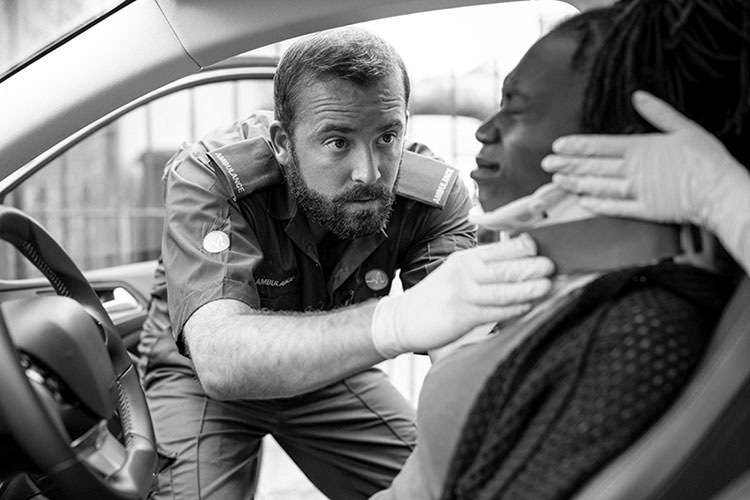
A car accident can leave you dealing with much more than medical bills and vehicle repairs. Injuries can cause ongoing pain, emotional distress, difficulty sleeping, missed activities, and changes to your everyday life.
If another driver’s negligence caused your accident, you may be entitled to compensation for these non-economic losses. In Wisconsin, damages for pain, suffering, and disability may be part of a personal injury claim. Wisconsin courts have recognized awards for both past and future pain, suffering, and disability in motor vehicle injury cases.
What Is Pain and Suffering?
Pain and suffering refers to the physical and emotional effects of an injury that do not have a specific dollar amount attached to them.
For example, after a car accident, you may experience:
- Neck or back pain
- Headaches
- Limited mobility
- Chronic or recurring pain
- Difficulty sleeping
- Anxiety or emotional distress
- Loss of enjoyment of activities
- Physical limitations
- Permanent disability or impairment
Unlike medical expenses or lost wages, there is no invoice that tells you exactly how much these losses are worth. The circumstances and evidence in each case must be considered.
Can You Recover Pain and Suffering Damages in Wisconsin?
Potentially, yes. If you were injured in a car accident caused by another person’s negligence, pain and suffering may be included as part of your damages.
Wisconsin cases demonstrate that pain and suffering can be evaluated separately from medical expenses. In one Wisconsin Court of Appeals case involving an automobile accident, the court considered medical expenses and awards for past and future pain and suffering as separate components of damages.
However, receiving compensation is not automatic. You generally need evidence connecting your injuries and resulting suffering to the accident.
What Factors Affect Pain and Suffering Compensation?
There is no universal formula for determining the value of pain and suffering. Several factors may be considered, including:
The Severity of Your Injuries
More serious injuries may have a greater impact on your life and require more extensive treatment. Broken bones, traumatic brain injuries, spinal injuries, and permanent disabilities can have long-term consequences.
The Length of Your Recovery
An injury that resolves quickly may have a different impact than one that causes pain and limitations for months or years.
Your Medical Treatment
Medical records, treatment plans, diagnostic tests, and other documentation can help establish the nature and severity of your injuries.
The Effect on Your Daily Life
Consider whether your injuries prevent you from participating in activities you enjoyed before the accident. You may have difficulty exercising, caring for your children, working around the house, traveling, or participating in hobbies.
Permanent Impairment or Disability
If your injuries result in a permanent impairment or disability, the impact on your life may extend well into the future. Wisconsin courts have considered both past and future pain, suffering, and disability when evaluating personal injury damages.
How Do You Prove Pain and Suffering?
Because pain and suffering are subjective, documentation can be particularly important.
Evidence may include:
- Medical records
- Doctor and specialist reports
- Physical therapy records
- Prescription records
- Photographs of visible injuries
- Testimony from you, family members, or others who have observed your condition
- A journal documenting symptoms and limitations
- Evidence showing how your injuries affect work and everyday activities
Being consistent with medical treatment can also be important. Wisconsin courts have recognized that an injured person has a duty to use ordinary care to mitigate or lessen damages.
Can Emotional Distress Be Part of Your Claim?
A serious car accident can affect your emotional well-being as well as your physical health. Anxiety, fear of driving, emotional distress, and other psychological effects may be relevant to the overall impact of an injury.
If you experience significant emotional symptoms after an accident, discussing them with an appropriate healthcare professional can help ensure that they are properly documented and addressed.
What If You Were Partially at Fault?
Your own actions may affect your ability to recover damages.
Wisconsin follows a comparative negligence system, meaning that a person’s recovery can be reduced based on their percentage of responsibility for the accident. The specific application of comparative negligence depends on the facts and applicable Wisconsin law.
This is one reason why determining fault after a car accident can be important before accepting an insurance settlement.
Should You Accept the Insurance Company’s Settlement Offer?
After an accident, an insurance company may offer a settlement to resolve your claim. It can be tempting to accept quickly, especially when you have medical bills or other immediate expenses.
However, it is important to understand the full extent of your injuries before agreeing to a final settlement. Some injuries can take time to fully develop, and you may not immediately know whether you will need additional treatment or experience long-term limitations.
A settlement should be evaluated based on the full impact of your injuries, not simply your current medical bills.
How Much Is Pain and Suffering Worth After a Car Accident?
There is no standard amount for pain and suffering after a car accident.
The value of a claim depends on the specific facts, including the severity of the injuries, duration of symptoms, medical treatment, permanent effects, impact on daily life, lost income, and other damages.
Wisconsin case law shows that pain and suffering awards can vary significantly depending on the evidence and circumstances of each individual case.
Talk to a Wisconsin Personal Injury Lawyer
If you were injured in a car accident because of someone else’s negligence, you may be entitled to compensation for more than your medical expenses and lost wages. Pain, suffering, disability, and the impact an injury has on your everyday life may also be considered.
A personal injury lawyer can review the circumstances of your accident, help identify the damages that may apply to your claim, and explain your legal options.
If you have been injured in a Wisconsin car accident, contact our personal injury lawyer to discuss your case and learn more about your rights.