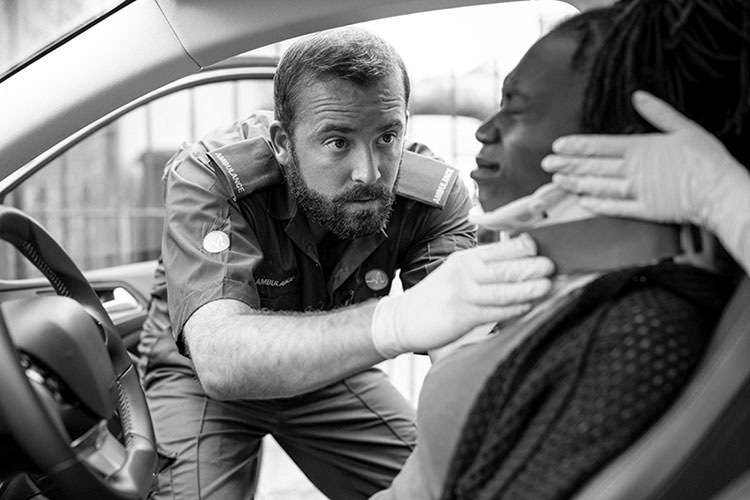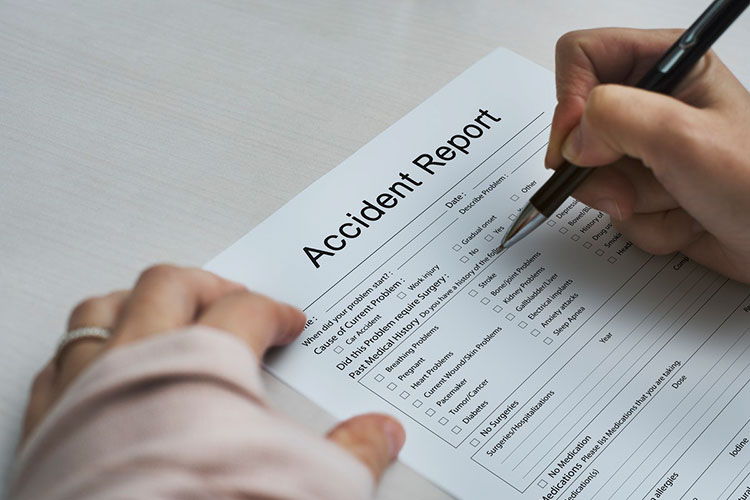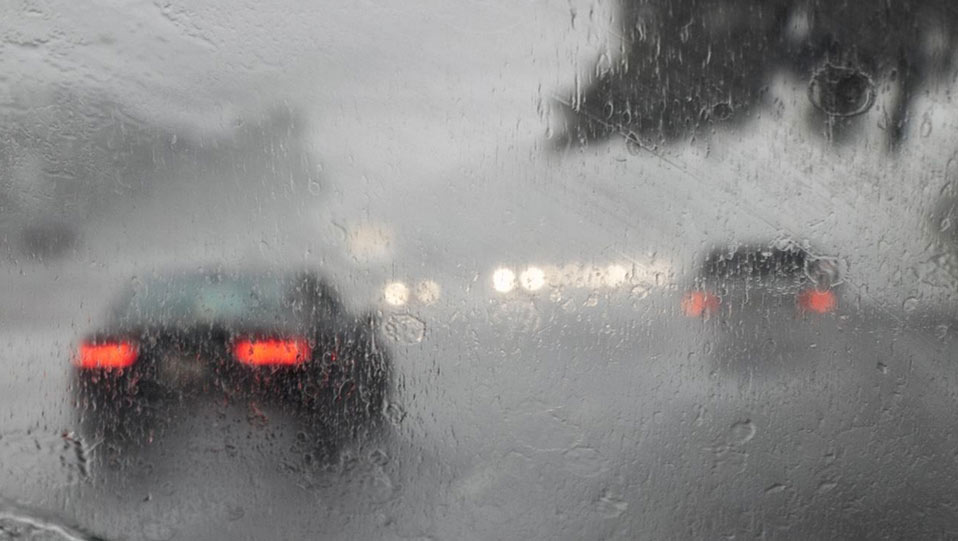
When rain, snow, fog, or ice make driving dangerous, many people assume no one is at fault for a weather-related accident. But in most cases, poor weather does not excuse negligent driving. Drivers still have a legal duty to operate their vehicles safely—no matter the conditions. If you were injured in a crash in poor weather conditions in Wisconsin, determining who’s responsible is essential for filing a personal injury claim and recovering compensation. Here’s what you need to know—and how a personal injury lawyer can help.
Does Weather Change Who’s at Fault?
Weather can make roads more hazardous, but it doesn’t remove a driver’s responsibility to drive safely. In other words, bad weather is a factor—but not an excuse.
Insurance companies and courts look at whether each driver took reasonable steps to avoid a crash. That includes adjusting speed, increasing following distance, and using proper lighting.
If a driver failed to adjust their behavior, they can still be held liable—and you may have grounds for a personal injury claim.
Common Poor Weather Conditions That Cause Accidents
Bad weather affects visibility, traction, and reaction time. The most common conditions linked to crashes include:
- Snow and ice – slippery roads, black ice, and long braking distances
- Heavy rain – hydroplaning, reduced visibility, and lane drifting
- Fog – limited visibility and sudden slowdowns
- High winds – swerving, loss of control, and debris
- Freezing temperatures – invisible patches of ice on bridges and intersections
Even when these conditions play a role, drivers are expected to use increased caution. A personal injury lawyer can help determine whether negligence contributed to the crash.
When the Other Driver Is Responsible
A driver may be at fault for a weather-related accident if they:
1. Drove Too Fast for Conditions
Even if they were under the speed limit, failing to slow down for slick or icy roads can be considered negligence.
2. Followed Too Closely
Tailgating is especially dangerous when stopping distances increase due to rain or ice.
3. Failed to Turn on Headlights or Hazard Lights
In low visibility, drivers must take basic safety steps to ensure they can be seen.
4. Lost Control of Their Vehicle
Skidding, sliding, or spinning out can still be considered a preventable error if caused by unsafe driving.
5. Didn’t Clear Snow or Ice From Their Vehicle
Snow blowing off a roof or ice obstructing vision can contribute to a crash.
If any of these factors apply, you may be able to pursue a personal injury claim for compensation.
Shared Fault in Weather-Related Crashes
In many cases, both drivers may share some responsibility. Under comparative negligence rules, each party can be assigned a percentage of fault.
For example:
- One driver was speeding
- The other failed to maintain their lane due to rain
Each may be partially liable.
A personal injury lawyer can help protect your rights and prevent insurance companies from assigning you more blame than you deserve.
How to Prove Fault in Poor Weather Conditions
Weather-related crashes may seem complicated, but strong evidence can make the facts clear. Helpful proof may include:
- Accident scene photos or dashcam footage
- Skid marks, debris, and vehicle resting positions
- Police reports
- Weather reports and road condition data
- Witness statements
- Vehicle damage patterns
- Traffic camera or business surveillance footage
An experienced personal injury lawyer can help gather and preserve this evidence before it’s lost.
Can Insurance Deny a Personal Injury Claim Because of Weather?
Insurance companies may argue that weather—not their insured driver—caused the accident.
This is a common tactic to avoid paying claims.
But unless the weather was truly unavoidable and no driver acted negligently, insurers must still pay valid personal injury claims. A lawyer can help challenge unfair denials or low settlement offers.
When a Government or Municipality May Be Responsible
Although less common, liability may fall on a city, county, or state if:
- Roads were improperly maintained
- A known hazard (like a flooding-prone area) wasn’t addressed
- Traffic lights or signs were malfunctioning
These cases have shorter deadlines and stricter rules for filing a personal injury claim, so contacting a lawyer quickly is critical.
What To Do After a Weather-Related Car Accident
To protect your health and your legal rights:
- Call 911
- Document the scene if safe
- Exchange driver and witness information
- Get medical attention
- Avoid admitting fault
- Notify your insurance company
- Speak with a personal injury lawyer before agreeing to any settlement
Your statement matters—be careful what you say at the scene.
Injured in a Weather-Related Crash? A Personal Injury Lawyer Can Help.
Bad weather doesn’t automatically excuse careless driving. If you were injured in a crash during rain, snow, fog, or ice, you may be entitled to compensation for:
- Medical bills
- Lost wages
- Pain and suffering
- Vehicle damage
- Future care
Your case deserves more than a quick settlement. Get legal help today.
Our personal injury lawyer can guide you through the process and help you recover the compensation you deserve through a strong personal injury claim.
Contact Bykhovsky Law for a Free Consultation today 414-616-1655.